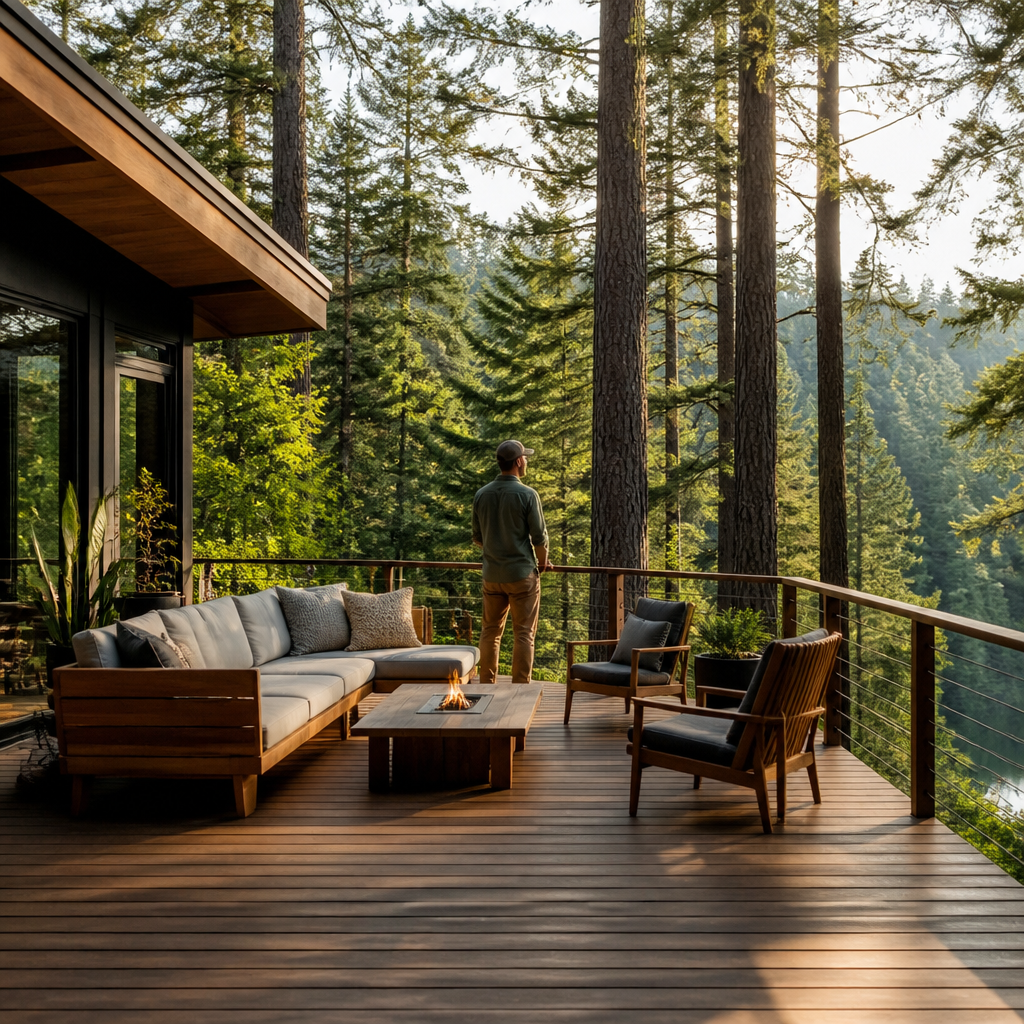
For those who find solace in mountain trails and forest paths, the concept of home extends beyond four walls. The outdoor deck becomes a critical transition zone—a place where the wilderness meets comfort, where hiking boots are shed, and where the day's adventures are relived under open skies. Creating this space requires thoughtful consideration of materials, design, and functionality that align with an active, nature-centered lifestyle. The right outdoor platform doesn't just add square footage to your home; it creates a launchpad for your next expedition and a haven for recovery after the last one.
The relationship between outdoor enthusiasts and their home base is unique. Unlike traditional homeowners who might prioritize aesthetics alone, those who spend weekends on trails and backcountry routes need outdoor spaces that serve multiple purposes. These areas become gear-drying stations, route-planning headquarters, and observation decks for watching weather patterns roll across distant peaks. The deck transforms into an extension of the natural world rather than a separation from it.
Table of Contents
ToggleThe Adventurer's Outdoor Space Requirements
Adventure seekers approach outdoor living spaces with distinct priorities. Durability ranks high—a deck that serves hikers, climbers, and trail runners must withstand muddy boots, equipment storage, and constant use regardless of weather conditions. The space needs to function year-round, not just during peak summer months. Morning coffee before a dawn hike, equipment checks in drizzling rain, and evening stargazing sessions all demand a platform that performs consistently.
Maintenance considerations take on heightened importance for those who spend weekends exploring rather than performing home upkeep. Hours spent sanding, staining, or repairing a traditional wooden deck are hours not spent on trails. The ideal outdoor space requires minimal intervention while maintaining its structural integrity and appearance through seasons of heavy use. This practical requirement shapes material selection from the project's inception.
Material Choices That Support Active Lifestyles
Material selection determines whether your outdoor space becomes a cherished basecamp or a burdensome maintenance project. Traditional timber, while aesthetically pleasing, demands regular upkeep that conflicts with adventure-focused schedules. Modern composite decking offers a compelling alternative for nature enthusiasts who value both environmental responsibility and practical durability. These engineered materials resist moisture, prevent splintering, and maintain their appearance without the sanding and sealing cycles that wooden decks require.
The environmental footprint of building materials matters deeply to those who spend time in wild spaces. Composite options often incorporate recycled materials, reducing demand for virgin timber while delivering superior performance characteristics. This alignment between personal values and practical benefits creates a harmonious choice. The material withstands the rigors of outdoor gear storage, resists fading from high-altitude sun exposure, and maintains safe traction even when wet from morning dew or afternoon thunderstorms.
Weather Resistance for Year-Round Use
Mountain weather changes rapidly, and outdoor spaces must handle everything nature delivers. Temperature swings, UV exposure, precipitation in various forms, and freeze-thaw cycles all challenge deck materials. Advanced composites maintain dimensional stability across temperature ranges, resisting the warping and splitting that plague traditional lumber. This resilience ensures your outdoor space remains functional whether you're planning summer backpacking trips or winter snowshoe expeditions.
Design Elements for the Outdoor Enthusiast
Beyond material selection, thoughtful design transforms a simple platform into a functional outdoor command center. Consider integrated storage solutions that keep gear organized and accessible—built-in benches with waterproof compartments, overhead racks for drying ropes and harnesses, and dedicated spaces for pack organization. The layout should facilitate movement flow, from gearing up at dawn to unwinding at dusk.
Proper decking design for active households includes consideration of drainage patterns and surface texture. Water should shed efficiently to prevent ice formation during shoulder seasons, while surface texture provides secure footing even when wet. Lighting placement deserves attention—low-level illumination that preserves night vision for stargazing while providing adequate visibility for early morning departures or late returns from day hikes.
The spatial configuration should support multiple simultaneous activities. One area might accommodate yoga or stretching routines, another serves as a gear inspection zone, while a third creates a comfortable observation point. Flexibility in furniture arrangement allows the space to adapt—from solo morning meditation to hosting fellow adventurers for trip planning sessions.
Connecting with the Landscape
The most successful outdoor spaces for nature enthusiasts blur the boundary between built environment and natural landscape. Strategic placement relative to sun angles, prevailing winds, and sight lines to natural features enhances the connection to surroundings. Rather than dominating the landscape, the deck should feel integrated—a thoughtful addition that respects and showcases the environment it inhabits.
NeoTimber: Engineering for Outdoor Performance
NeoTimber has established itself as a specialized provider of high-performance outdoor materials designed for demanding applications. The company focuses on engineered solutions that balance environmental considerations with long-term durability. Their product development emphasizes real-world performance in challenging conditions—exactly what outdoor enthusiasts require from their home base infrastructure.
The company's approach prioritizes low-maintenance solutions without compromising on aesthetic quality or structural performance. Their materials undergo rigorous testing to ensure they meet the demands of active households where outdoor spaces receive constant use across all seasons. This commitment to performance aligns naturally with the values of those who understand that quality gear—whether for trails or home—represents a worthy investment.
Creating Your Outdoor Foundation
Building an outdoor space that truly serves the adventurer's lifestyle requires moving beyond conventional thinking. The deck becomes more than a place to set patio furniture—it evolves into an essential component of your outdoor practice. This space witnesses pre-dawn preparations, hosts post-hike recovery sessions, and provides a platform for connecting with the natural world from the comfort of home. Choosing materials and designs that support rather than hinder this lifestyle creates an outdoor sanctuary that enhances your relationship with both home and wilderness.
The investment in a well-designed outdoor platform pays dividends through years of reliable service, minimal maintenance demands, and daily enjoyment. For those whose hearts belong to trails and peaks, the home deck serves as both launching point and landing zone—a critical piece of infrastructure supporting a life lived in motion and in nature.