In a world where square footage is often at a premium, space-saving tables are the unsung heroes of home design. These clever creations not only maximize limited areas but also add a touch of style to any room. Imagine transforming a tiny nook into a bustling dining area with just a flick of the wrist—now that’s what we call table magic!
Overview of Space Saving Tables
Space-saving tables serve as a solution for individuals facing limited room dimensions. These tables provide functionality without sacrificing style. Many options exist, including foldable designs, drop-leaf formats, and extendable varieties. Each kind caters to different needs based on available space and usage frequency.
A foldable table typically offers compact storage. It can easily transition from a small side table to a dining surface when needed. Drop-leaf tables, on the other hand, have hinged leaves that can be folded down, adapting to various situations. This design lets users maintain an open area when the table isn’t in use.
Extendable tables accommodate varying numbers of guests. Extended configurations make entertaining easier, while a smaller size suits everyday use. These multifunctional pieces work well for small apartments or homes where maximizing space remains essential.
Various materials, such as wood, metal, and glass, enhance aesthetic appeal. The choice of material impacts not only visual appeal but also durability and ease of cleaning. Clear lines and minimalist designs often complement modern interior styles, contributing to a cohesive room layout.
Considerations include ease of assembly and weight capacity. A robust table must suit the intended purpose, whether for meals, work, or leisure. Shopping for space-saving tables involves assessing both size and dimensions, determining the best fit for existing spaces.
Space-saving tables provide versatile and stylish solutions for efficiently using limited areas. With several designs available, individuals can find the perfect match for their specific space constraints and aesthetic preferences.
Types of Space Saving Tables
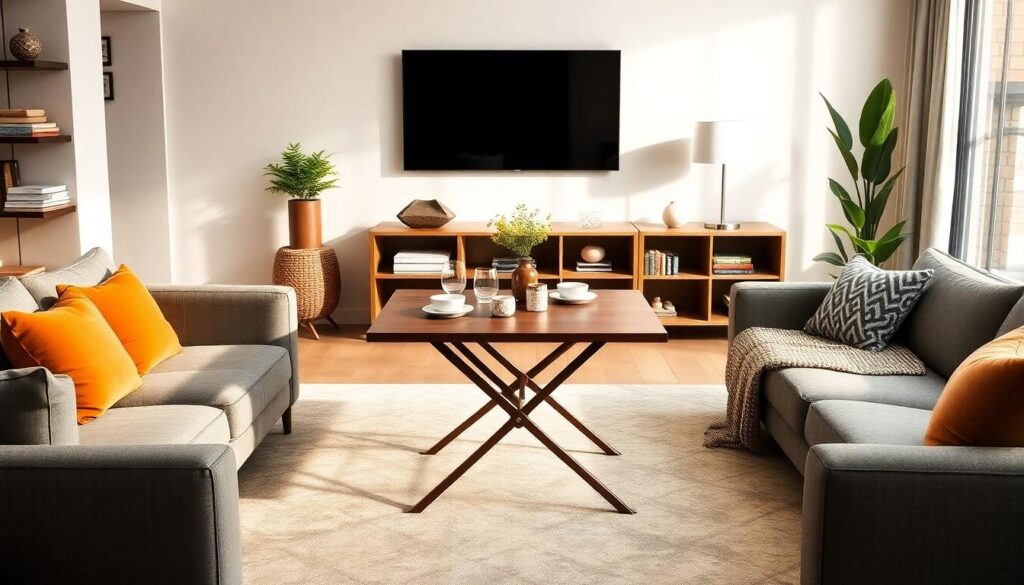
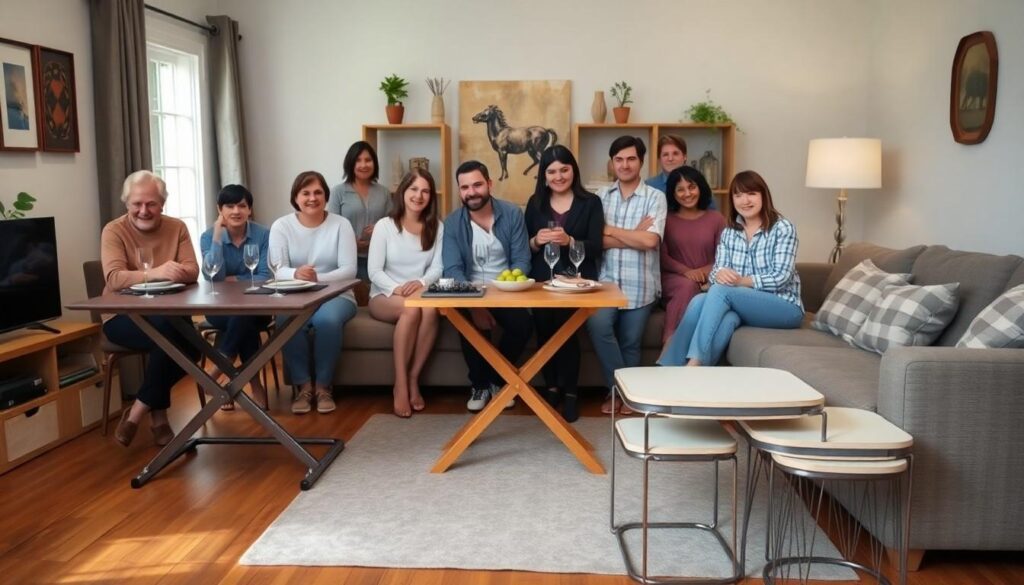
Space-saving tables come in various designs, each offering unique functionalities that optimize limited areas while enhancing the room’s aesthetic. Below are detailed descriptions of popular types.
Folding Tables
Folding tables provide versatility and ease of use in compact spaces. These tables can be set up quickly for dining or work, then easily folded away when not needed. Many models are lightweight, making them simple to transport. Materials like metal and plastic enhance their portability, while wood options add a touch of elegance. Users appreciate the range of sizes available, allowing for choices that suit different needs and preferences.
Expandable Tables
Expandable tables maximize seating capacity based on requirements. These tables feature built-in extensions that add extra length, accommodating larger gatherings or daily use with ease. Adjusting the size typically involves sliding or lifting sections, offering convenience for shifting between casual meals and formal dining. A variety of styles and finishes enables seamless integration into existing decor, ensuring functionality does not compromise aesthetics.
Nesting Tables
Nesting tables serve as an elegant solution for small spaces without sacrificing style. Composed of multiple smaller tables, these pieces can be stacked together or spread out as needed. Flexibility is key, as they provide additional surfaces for drinks, books, or decorative items while minimizing floor space. Available in diverse materials and designs, nesting tables complement various interior styles, from modern to traditional, making them a popular choice among homeowners.
Benefits of Space Saving Tables
Space-saving tables offer significant advantages for homes. They maximize small areas while enhancing functionality.
Maximizing Small Spaces
Small spaces often present challenges in usability. Space-saving tables effectively transform these limited areas into practical environments. Foldable designs tuck away neatly when not needed, creating room for movement. Drop-leaf tables can adjust based on the number of users, offering versatility without occupying unnecessary floor space. Nesting tables provide additional surfaces while remaining discreet when stacked. These solutions are ideal for apartments and compact homes, allowing individuals to enjoy dining, working, or entertaining without feeling cramped.
Versatility and Functionality
Versatility defines the appeal of space-saving tables. They serve multiple purposes ranging from dining to working. Extendable tables adapt to accommodate guests during gatherings, seamlessly adjusting to meet varying needs. This flexibility means one piece of furniture can fulfill diverse functions throughout the day. Additionally, some models feature innovative designs like built-in storage, offering convenience without clutter. The adaptability of these tables ensures they fit seamlessly into diverse lifestyles, contributing to a more organized and efficient living space.
How to Choose the Right Space Saving Table
Selecting the right space-saving table requires careful consideration of both physical dimensions and personal requirements.
Consider Your Space
Assessing available floor space plays a crucial role in table selection. Measure dimensions to determine how much room exists in the desired area. Take note of obstacles like doors and windows that may impact placement. Visualize how the table fits with existing furniture to maintain flow and accessibility. Ensure that you account for enough clearance for chairs or movement. Prioritizing compact designs can maximize usability in smaller areas. Pay attention to table height to guarantee comfort for dining or working purposes.
Evaluate Your Needs
Identifying specific requirements guides the decision-making process. Determine the primary use of the table, whether for dining, work, or social gatherings. Consider the frequency of use; occasional tables may require different features compared to daily ones. Think about how many people typically need to sit at the table. This impacts size and design choices significantly. Look for additional functions, such as built-in storage or expandable features, to enhance versatility. Shifting needs may require a table that adapts easily over time.