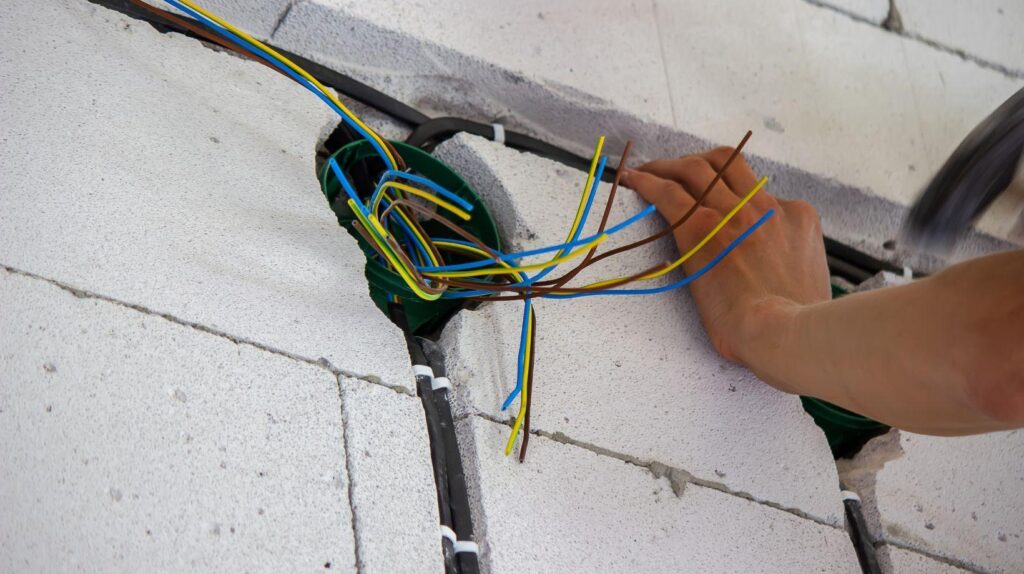
Walk down almost any street in Brunswick, Northcote or Camberwell and you will see the same thing: beautiful Victorian and Edwardian facades, freshly painted weatherboards, and front gardens that took years to establish. What you will not see is the wiring hidden inside the walls, and in many of these houses it tells a very different story from the polished exterior. Melbourne's housing stock is old by Australian standards, and a lot of it has been renovated in stages over decades. Each owner added something, and few of them looked at the electrical system as a whole.
That patchwork history is worth understanding, especially if you have just bought an older property or are planning a renovation.
Table of Contents
ToggleA Century of Additions
Many inner-suburban homes were wired for a handful of lights and perhaps a single power point per room. Over the following decades came kitchens with electric ovens, washing machines, split systems, home offices and, more recently, induction cooktops and heat pump hot water. Every one of those additions placed extra demand on circuits that were never designed for it.
In some houses you will find three or four generations of cabling side by side. Old rubber-insulated wiring, which becomes brittle and cracks with age, may sit next to modern TPS cable. Junction boxes get buried under plaster. Extensions are sometimes tacked onto existing circuits rather than given their own. None of this is necessarily dangerous on day one, but it means nobody quite knows what is behind the walls.
Signs Worth Paying Attention To
Most homes give small warnings before a serious fault develops. Lights that flicker when the kettle goes on, power points that feel warm, a faint burning smell near a switch, or a safety switch that trips for no obvious reason are all clues that something deserves a closer look. Discoloured cover plates and buzzing sounds from fittings are worth noting too.
Fuse boxes with ceramic rewireable fuses are another giveaway. They were standard for a long time, but they offer far less protection than modern circuit breakers and residual current devices. If your switchboard still has them, it is likely the rest of the installation has not been reviewed in a long time either.
Why the Switchboard Matters So Much
The switchboard is the heart of the system. It distributes power to every circuit and, in a modern installation, protects people from electric shock through safety switches. Victorian regulations now require safety switches on new and altered circuits, but older homes often have none, or only one covering a small portion of the house.
Upgrading a switchboard is one of the most practical improvements an older home can receive. It creates room for future circuits, gives clear labelling so you know what controls what, and adds a layer of protection that can save lives. It also makes later projects, such as adding solar panels or a battery, far simpler.
Renovations Are the Ideal Moment
If you are already opening walls for a kitchen or bathroom project, it is the cheapest time you will ever have to address wiring. Once plasterboard is back up and tiles are laid, access becomes expensive and disruptive. Planning electrical work at the design stage also means you can position power points, lighting and data cabling exactly where your new layout needs them, instead of relying on extension leads and powerboards later.
Think beyond your current needs, too. An outdoor power point for a future spa, a dedicated circuit for a home workshop, or conduit run to the garage for a car charger can all be added now for a fraction of what they would cost as separate jobs down the track.
Choosing the Right Help
Electrical work in Victoria must be done by a licensed professional, and for good reason. Beyond safety, compliant work comes with a Certificate of Electrical Safety, which protects you if you sell or need to make an insurance claim. Booking a licensed electrician for a whole-of-house inspection before you buy or renovate gives you a clear picture of what you are dealing with, and helps you plan upgrades in a sensible order rather than reacting to faults as they appear.
When you compare tradespeople, look for clear written quotes, an explanation of what they found and why it matters, and a willingness to prioritise. A good tradesperson will tell you what needs attention now, what can wait a year or two, and what is simply a matter of preference.
Living Safely in the Meantime
While you plan any larger work, a few habits reduce risk. Avoid daisy-chaining powerboards. Keep heaters and high-draw appliances on separate outlets where possible. Test your safety switches every few months using the test button, and replace smoke alarms according to manufacturer guidance, ideally with interconnected models so that an alarm in one room triggers them all.
It is also worth keeping a simple record of any electrical work completed in the house. Note the date, the scope of the job and who performed it. Future owners, and future you, will appreciate knowing what has been upgraded and what remains original.
Older homes are a big part of what gives Melbourne its character. With a bit of attention to what is happening behind the plaster, they can be just as safe and comfortable to live in as anything built in the last decade, while keeping the charm that drew you to them in the first place.