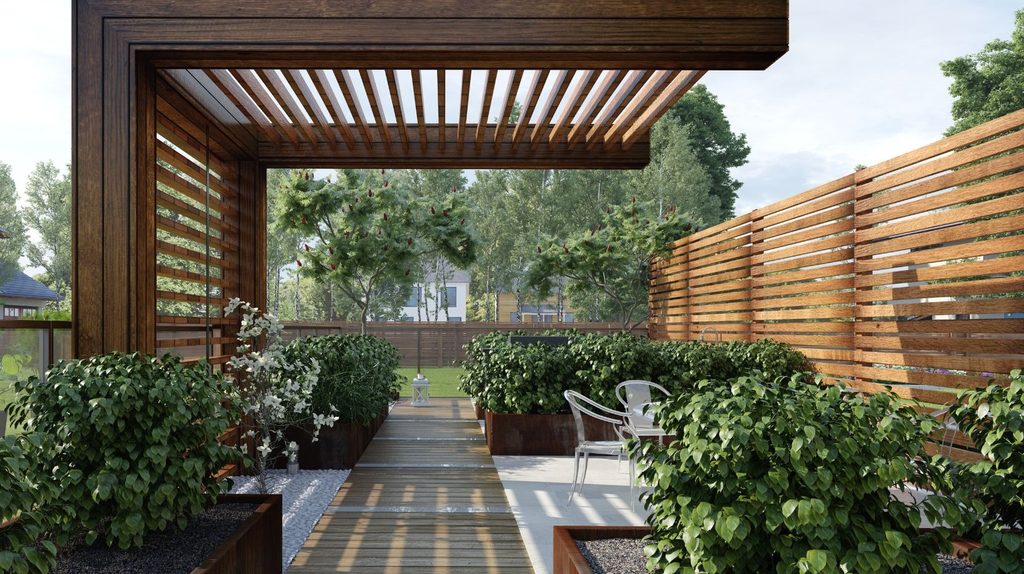
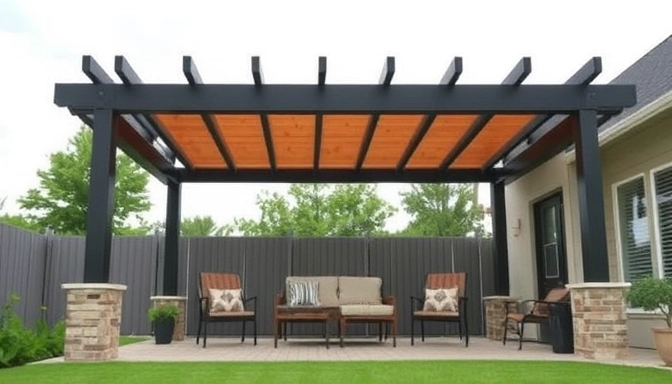
A pergola can transform an ordinary backyard, patio, garden, or pool area into a comfortable and attractive outdoor living space. Whether you want a shaded place for relaxing, an outdoor dining area, or an architectural feature that gives your backyard more character, the right pergola design can make a significant difference.
So, how can you design your pergola? Start by deciding how you plan to use the space, choose the right location and size, select materials that complement your home, and then add features such as shade, lighting, privacy screens, furniture, and landscaping.
The best metal pergola ideas combine functionality with a design that feels like a natural extension of the home.
Table of Contents
ToggleStart With the Purpose of Your Pergola
Before choosing colors, materials, or furniture, determine what you want your pergola to accomplish.
A pergola used for outdoor dining will require a different layout from one designed primarily for lounging. If you plan to entertain guests, you may need space for a large table, outdoor kitchen, bar, or multiple seating areas. A relaxation-focused pergola might instead include comfortable sofas, lounge chairs, a fire feature, or even a hot tub.
Ask yourself how many people will normally use the space and what activities will take place underneath the structure.
Defining the purpose first makes every other pergola design decision easier.
Choose the Best Location
Placement is one of the most important parts of designing a pergola.
Many homeowners build a pergola directly beside the house to create a seamless transition between indoor and outdoor living areas. This type of design works particularly well over patios, decks, and outdoor kitchens.
A freestanding pergola offers more flexibility. It can become a destination elsewhere in the yard, such as beside a swimming pool, in the middle of a garden, or in a quiet corner surrounded by landscaping.
Also consider the position of the sun throughout the day. If afternoon heat is your main concern, position the pergola and its roof system so that it provides shade during the hottest hours.
Select the Right Pergola Size
The size of your pergola should be proportional to both your property and the intended use of the space.
A small pergola can create an intimate seating area without overwhelming a compact backyard. Larger properties can support more substantial structures that accommodate dining tables, outdoor kitchens, sectional seating, or multiple activity zones.
Before construction begins, measure your furniture and allow enough room for people to comfortably walk around it.
You should also think vertically. Higher ceilings can make a pergola feel open and spacious, while slightly lower designs can create a more intimate atmosphere.
Explore Modern Pergola Ideas
Modern pergolas often emphasize simple architectural lines, neutral colors, and uncluttered spaces.
Black, charcoal, bronze, white, and natural wood tones are popular choices because they work with many architectural styles. Aluminum pergolas are especially suitable for modern homes because they can create a sleek appearance while requiring relatively little maintenance.
For a contemporary outdoor space, consider combining your pergola with large-format paving, minimalist furniture, integrated lighting, and simple landscaping.
Another popular manual or motorized modern aluminum pergola idea is to visually connect the structure with the house by repeating architectural elements, colors, or materials already used on the property.
Consider Different Pergola Roof Ideas
Traditional pergolas use open rafters that provide partial shade while allowing sunlight through. Today, homeowners have considerably more options.
Fixed slats can provide a balance between sunlight and shade. Fabric canopies offer a softer appearance and can sometimes be retracted when full sunlight is preferred.
For greater control over outdoor comfort, adjustable louvered pergolas allow the roof slats to open or close depending on weather conditions. When opened, the louvers provide ventilation and sunlight. When closed, certain systems can provide increased protection from sun and rain.
Your climate and how frequently you plan to use the space should influence which pergola roof design works best.
Add Comfortable Outdoor Furniture
A beautiful pergola should also be comfortable.
Choose outdoor furniture according to how you plan to use the area. For dining spaces, select a table that comfortably accommodates your typical number of guests. For lounge areas, consider outdoor sofas, club chairs, ottomans, or sectionals.
Weather-resistant cushions can introduce color without permanently changing the design. Rugs, pillows, side tables, and planters can make the pergola feel more like an outdoor room.
Just remember not to overcrowd the space. Leaving comfortable pathways around furniture makes even a smaller pergola feel more open.
Use Pergola Lighting to Create Ambiance
Lighting allows you to enjoy your pergola after sunset while completely changing the atmosphere of the space.
Warm LED lighting can create an inviting environment for dining and entertaining. String lights can give the space a casual appearance, while recessed or integrated lighting works particularly well with contemporary pergola designs.
Pendant lights can become a decorative focal point over a dining table, while landscape lighting around the perimeter can highlight trees, plants, walls, and architectural features.
For a more sophisticated design, consider using several lighting layers rather than relying on one bright fixture.
Create Privacy Around Your Pergola
Privacy can turn a pergola into a more relaxing outdoor retreat, particularly in neighborhoods where neighboring homes are close together.
Decorative screens, vertical slats, curtains, fencing, tall planters, and landscaping can all help create separation.
Plants are especially useful because they provide privacy without making the outdoor area feel completely enclosed. Tall shrubs, ornamental grasses, climbing vines, and strategically positioned trees can create natural screening.
A combination of structural screens and landscaping often creates the most balanced result.
Incorporate Plants and Landscaping
Landscaping helps a pergola blend naturally into the surrounding property.
Planters positioned around the columns can soften the appearance of the structure. Depending on your climate, climbing plants can also be trained along sections of the pergola.
Flowering plants can introduce seasonal color, while evergreen landscaping provides year-round structure.
You can also use landscaping to visually connect the pergola with other parts of the yard. A pathway, garden bed, stepping stones, or coordinated hardscape can make a freestanding pergola feel intentional rather than isolated.
Consider an Outdoor Kitchen or Entertainment Area
If entertaining is a priority, your pergola can become the center of an outdoor living area.
An outdoor kitchen might include a grill, preparation counter, sink, refrigerator, storage, or bar seating. Other pergola ideas include televisions, speakers, fireplaces, fire pits, ceiling fans, heaters, and beverage stations.
Plan electrical, gas, plumbing, and ventilation requirements before construction whenever possible. Integrating these features into the original pergola design is generally easier than adding them later.
How Do You Design a Pergola That Matches Your Home?
The most successful pergola designs look connected to the architecture around them.
Consider your home’s exterior materials, rooflines, window shapes, colors, and overall architectural style. A contemporary house may look best with a streamlined aluminum pergola, while a traditional or rustic home may pair naturally with timber.
You do not necessarily need to duplicate your home’s materials. Instead, choose elements that complement them.
The goal should be to make the pergola feel like part of the property rather than an unrelated structure added afterward.
Frequently Asked Questions About Pergola Design
What is the best way to design a pergola?
Start by determining how you want to use the pergola. Then choose the location, dimensions, materials, roof or shade system, furniture, lighting, privacy features, and landscaping. Designing around functionality first usually produces the most practical result.
What should you put under a pergola?
Popular options include outdoor dining tables, sofas, lounge furniture, outdoor kitchens, fire features, bars, hot tubs, and entertainment systems. What you place underneath should match the purpose of the space.
How can you make a pergola look more modern?
Use clean lines, neutral colors, minimalist furniture, integrated LED lighting, simple landscaping, and materials such as powder-coated aluminum. Adjustable louvered roof systems can also create a contemporary appearance.
How can you create more shade under a pergola?
Shade can be increased through closer roof slats, retractable canopies, shade fabric, adjustable louvers, outdoor curtains, screens, or strategically positioned landscaping.
Can a pergola increase the usability of a backyard?
Yes. A properly designed pergola can define an outdoor dining, entertaining, or relaxation area while providing shade and creating a stronger connection between the home and backyard.
Create a Pergola Around the Way You Live
There is no single perfect pergola design. The best design is one that fits your property, climate, architectural style, and lifestyle.
Begin with the way you intend to use the space. Then consider location, size, materials, shade, furniture, lighting, privacy, and landscaping. Thoughtful planning will help turn the pergola into more than an attractive structure it can become one of the most frequently used areas of your home.
Whether you prefer a minimalist modern pergola, a comfortable backyard retreat, an outdoor dining space, or a fully equipped entertainment area, the possibilities are nearly endless. With the right combination of practical features and creative pergola ideas, you can create an outdoor space that looks great and works for the way you live.